

If you want to know if your child will need speech therapy but don’t know what to look out for, you’re not alone.
It’s always a delight to see your child grow and start to acquire speech and language skills. But how would you know when your child is progressing normally, or if you need to seek a speech-language pathologist’s help?
Thankfully, there are proven developmental milestones that you can use to benchmark your child’s development. Let’s discuss what they are and what to do next to help your child if they have speech issues.

Milestones to Look Out For to Know If They Need Speech Therapy
Children develop at their own pace, but speaking milestones are clearly observed at certain age ranges. These skills are not hard-lined to a specific age as children have different behaviors and ways of learning. However, if you’re seeing a significant delay or gap in these milestones, there may be cause for concern:
1 Year (12 Months)
In their first year, your child should start using gestures, such as nodding, pointing or waving goodbye as a basic means of communicating. This is also when parents can normally expect to hear that exciting first word.
2 years-old
Once your child reaches 2-years-old, they should be able to follow simple verbal requests or directions.
At this time they approximately know how to use 50 words, and understand more than 300. They should be able to combine these words to create simple sentences. It’s at this point when people can see that your child is listening and understanding simple conversations.
Preschool Age (3 years – 5 years):
Parents or caregivers should be able to understand 75% of what children are saying at age 3. Your child will still have a less-than-perfect speech, but at this point, language skills are more important. Focus on the way they communicate instead of speech clarity or making correct sounds.
They should be able to produce most speech sounds properly when they reach age 5.
What do I do if my child is falling behind?
In their first year, your child should start using gestures, such as nodding, pointing or waving goodbye as a basic means of communicating. This is also when parents can normally expect to hear that exciting first word.

See your family doctor or pediatrician
One of the first people that you should talk to would be your family doctor or pediatrician. The subject of speech skills may come up with regular checkups, along with questions about their language development.
Your pediatrician may also inquire about your child’s social relatedness and communication skills. Their play skills are highly related to their language development which is a factor in determining if they need speech therapy.
In the case your pediatrician does recommend seeking a speech-language pathologist, they may give a referral to receive public services (which are free). Waitlist time for these services may vary based on where you are and the demand for them.
Reach out to a private speech-language pathologist
However, this doesn’t stop you from seeking out a private speech-language pathologist. They can help without the need for a doctor’s referral, which means you’ll be likely to receive help faster for your child.
When you get in touch with a speech therapist, your child will under go an initial assessment. Your therapist might ask them to say different sounds and words to find out what’s difficult for them.
Once the issues have been identified, they will work with your child to improve and develop their speech and language skills.
Exercises are however not limited to therapy sessions. Speech and language skills require constant practice to make improvements. Your speech therapist would also show you what to do at home to help your child to prevent further speech delay.
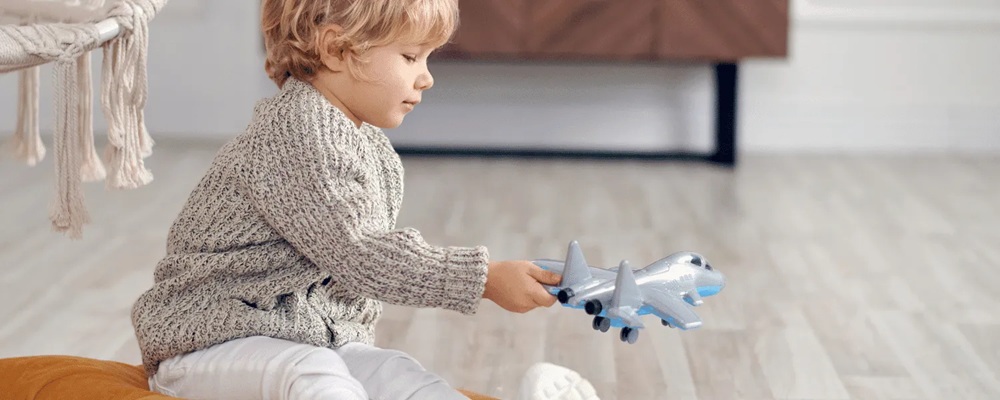
In the early stages of your child’s development, you should get in touch with a speech therapist.
A critical key to pediatric speech therapy is early intervention, especially when you observe a delay. Speech therapy done on time can prevent further speech difficulties. It may even improve your child’s school performance as well as their self-confidence.
If you’re still in doubt, we can do a quick screening NK Speech Therapy to see if there’s a need for concern or a sign of language delays.